Content strategy trends for fashion brands
Few industries change as quickly as the world of fashion. With seasonal trends and new aesthetics constantly coming to the fore, the sector is perpetually evolving and adapting. The same applies to marketing trends in the sector, which regularly change due to new technology, changing consumer behaviours, and economic volatility.
This ever-changing outlook in the fashion world mean that as a brand, you need to have your finger on the pulse of what’s on trend for your content strategy.
In an industry that never stands still, how do you ensure your content remains effective? It’s a conundrum all fashion brands need to be aware of. But few industries are better placed to deal with an adapting environment. Fashion brands have always had to update and adapt, from relying on print and magazines, to working with influencers and dabbling in augmented reality (AR) experiences.
And with ecommerce to consider, there’s a greater need for a strong SEO strategy for brands in the fashion industry. Content has a huge role to play here, so it’s crucial to stay up to speed on the latest content marketing trends, understand what they involve, and how to apply them to your business.
The fashion marketing landscape
Shifting consumer attitudes and priorities, international relations, economic outlooks, and technological advancements mean fashion deals with a lot of change. Current tariffs and trade relations between countries can also cause supply chain problems that affect prices, while there are growing concerns about sustainability and ethical practices across many fashion houses.
Increased automation and the AI boom means fashion brands must also adapt in their marketing efforts or get left behind. AR clothing fitting tools, social commerce, and influencer content are all driving the ecommerce landscape. In addition, audiences are increasingly using large language models (LLMs) such as ChatGPT to search for, compare, and shop for clothing items, which means further change.
Continuing developments in agentic commerce represent a big shift for the fashion industry. As AI tools increasingly suggest products, compare deals, and execute transactions, they push more consumers away from brands’ websites and encourage them to shop and buy in increasingly diverse ways.
Brand and customer loyalty are more important than ever for fashion brands navigating this changing landscape. Embracing new technology and the changing ways consumers find, browse, and buy clothing is essential to stay competitive.
Trends in fashion content marketing
Global, economic, and technological shifts and influences on consumer behaviour are also driving new content marketing trends in fashion, while old ones are slowly cooling in both influence and impact.
Traditional TV, magazine, and billboard advertising remains effective, but new strategies that leverage modern technologies and trends are breaking through and demand attention. Fashion content marketing is unique in that consumers want to participate where possible. And the rise of AI and virtual try-on technology is making that a reality.
Savvy brands should see plenty of content marketing opportunities in the ever-evolving space. Let’s explore a few of these in more depth.
Creating ecommerce-focused fashion content
Ecommerce fashion content engages both existing and new audiences, as well as making conversions easy through enhanced user experiences. Effective ecommerce content drives the user journey from discovery to purchase, encompassing everything from blog posts and guides to video showcases and product pages.
Here are just a few trends that are driving ecommerce content in the modern fashion world.
Guiding consumers through the conversion funnel
Ecommerce content helps drive consumers through the funnel from top to bottom across these key stages:
- Awareness (TOFU) – the discovery stage aims to attract new or previous customers to your brand and products. It does this through brand social media posts, influencer marketing on Instagram, TikTok, and other channels, topical and seasonal blog posts on the company website, email marketing, and PR activity. Each of these inspires and captures interest in your brand and products at an early stage.
- Consideration (MOFU) – after generating interest, consideration and comparison content informs customers about products and starts to persuade them. In-depth guides, more detailed videos, and strong visual content assets help fashion content move users towards conversion.
- Purchase (BOFU) – the final persuasion phase requires an easy buying experience and one last push to convert. Friction-free product pages with clear pricing, a call to action, trustworthy customer reviews, convenient shipping information, strong imagery, and AR try-on experiences can boost conversions.
- Retention – fashion marketing doesn’t stop with a conversion. Nurturing current customers is just as important in a world where advocacy and repeated engagements are vital. Social media and email marketing are among effective techniques to keep previous buyers informed of new products and offers, encourage sharing, and to repeat the conversion funnel.
The role of hyperconnectivity
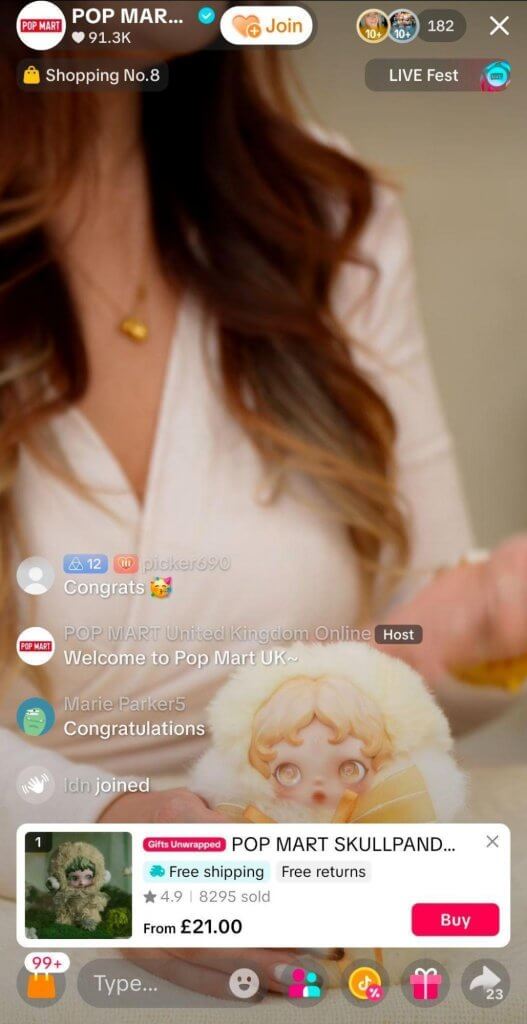
New platforms and their features have opened up a new world for fashion brands. TikTok, Instagram Stories and Reels, and YouTube Shorts have all helped to revolutionise fashion marketing through features like livestream shopping.
Some fashion brands run livestreaming sessions themselves, such as Zara Streaming – an interactive platform and live video shopping experience. Many others continue to use influencer marketing to showcase products on social media channels, where consumers can buy directly through links while watching engaging video content.
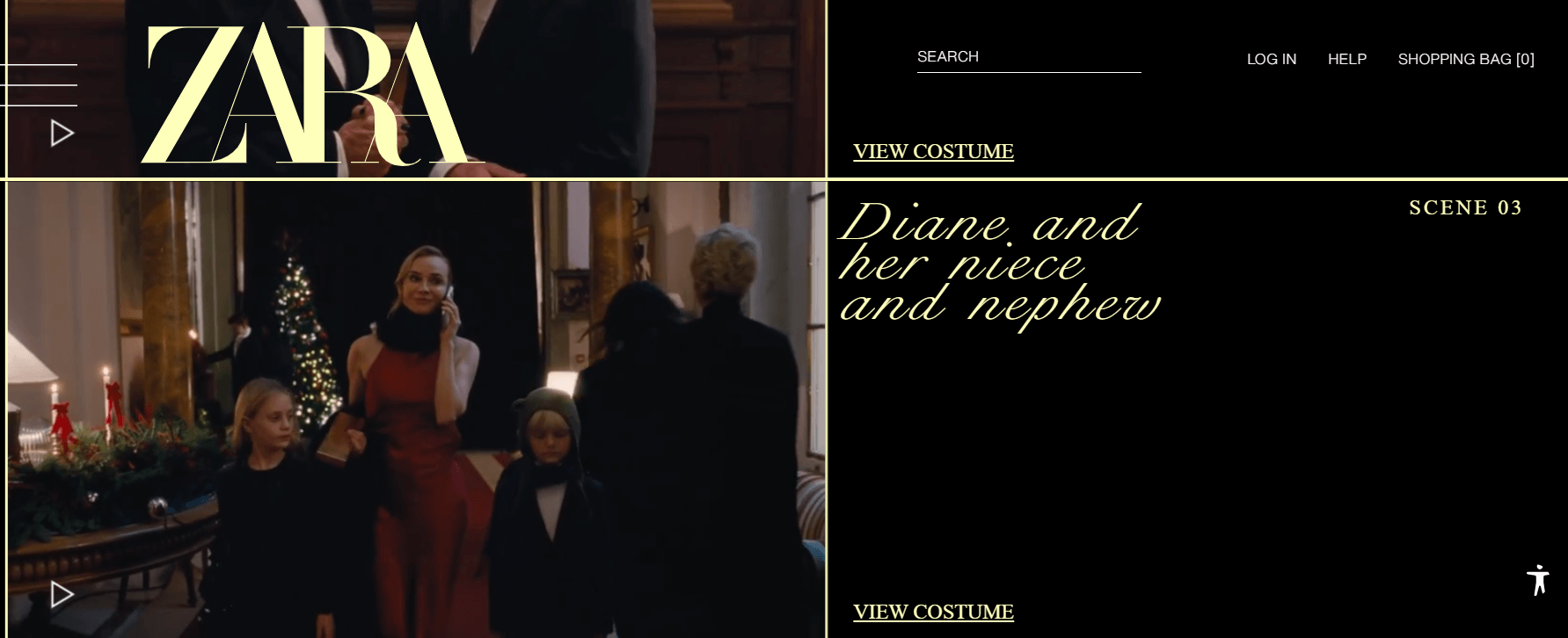
It’s all about connecting those vital discovery and purchase stages. Having a single physical shop or sales channel isn’t enough anymore. The hyperconnectivity of various channels and the multi-platform ways users interact with and shop from them means you need to be in the right place at the right time.
Utilising evergreen content
Evergreen content doesn’t carry an expiry date and stays relevant, no matter when a user finds it. This type of content remains important throughout the changing seasons and will still be valuable to your audience months or years from now.
Understanding your audience and the type of content they’re interested in throughout every changing trend and season helps. For example, most consumers may seek style inspiration and ways to dress up or down their looks throughout all seasons.
Evergreen search terms for your fashion brand could include things like ‘how to dress for work’ or ‘what to wear on a night out.’ These are season-agnostic topics and themes users search for throughout the year, allowing you to more consistently drive traffic and ensuring content remains relevant long after publication.
The importance of visual storytelling
It’s no surprise that in a world where style is everything, visuals are an essential content marketing tool. Showcasing new clothing lines through attention-grabbing adverts, social media, email marketing, and other channels is the heartbeat of any strategy.
Strong images and AR try-on features on product pages also go a long way to engaging your customer with genuinely helpful content, which helps them move from consideration to conversion.
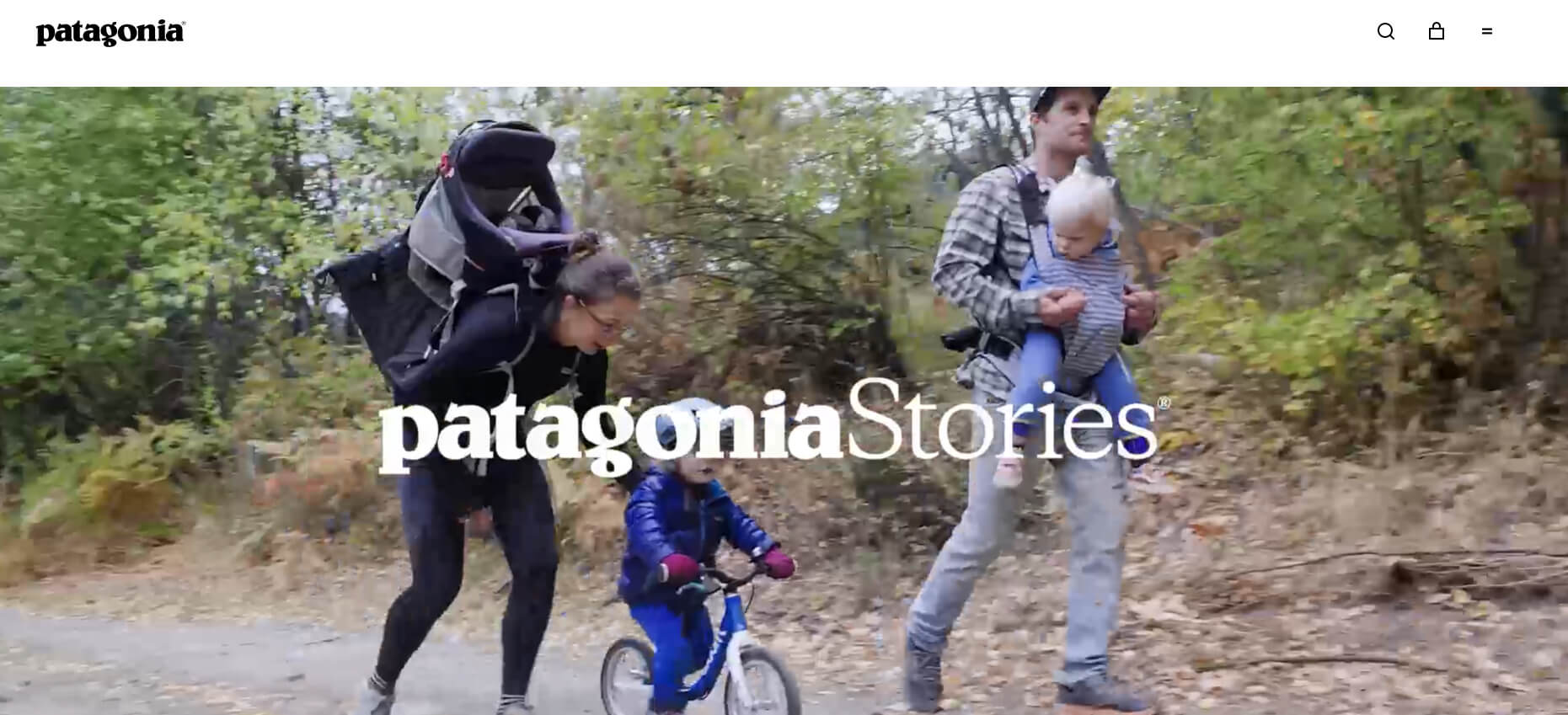
Visual storytelling helps showcase your brand’s personality and values, allowing you to connect more authentically with the target market. One example of this strategy is Patagonia, which uses strong visuals to bring to life the sustainability, environmental protection, and exploration that underpin its brand values.
Its strategy combines high-quality images, films, and fantastic storytelling with an almost journalistic style, with the underlying goal of marketing its clothing to those who share similar values.
High-quality imagery
The fashion industry is built on brilliant imagery. From traditional magazine and TV ads to modern Instagram Reels, it’s impossible to effectively market fashion without striking visuals.
Consumers expect visually rich experiences, so your content has to provide. Professional photography for product pages is a given, but with hyperconnected marketing channels, high-quality images and videos across all social media channels and posts you control (such as company accounts and sponsored posts) are key.
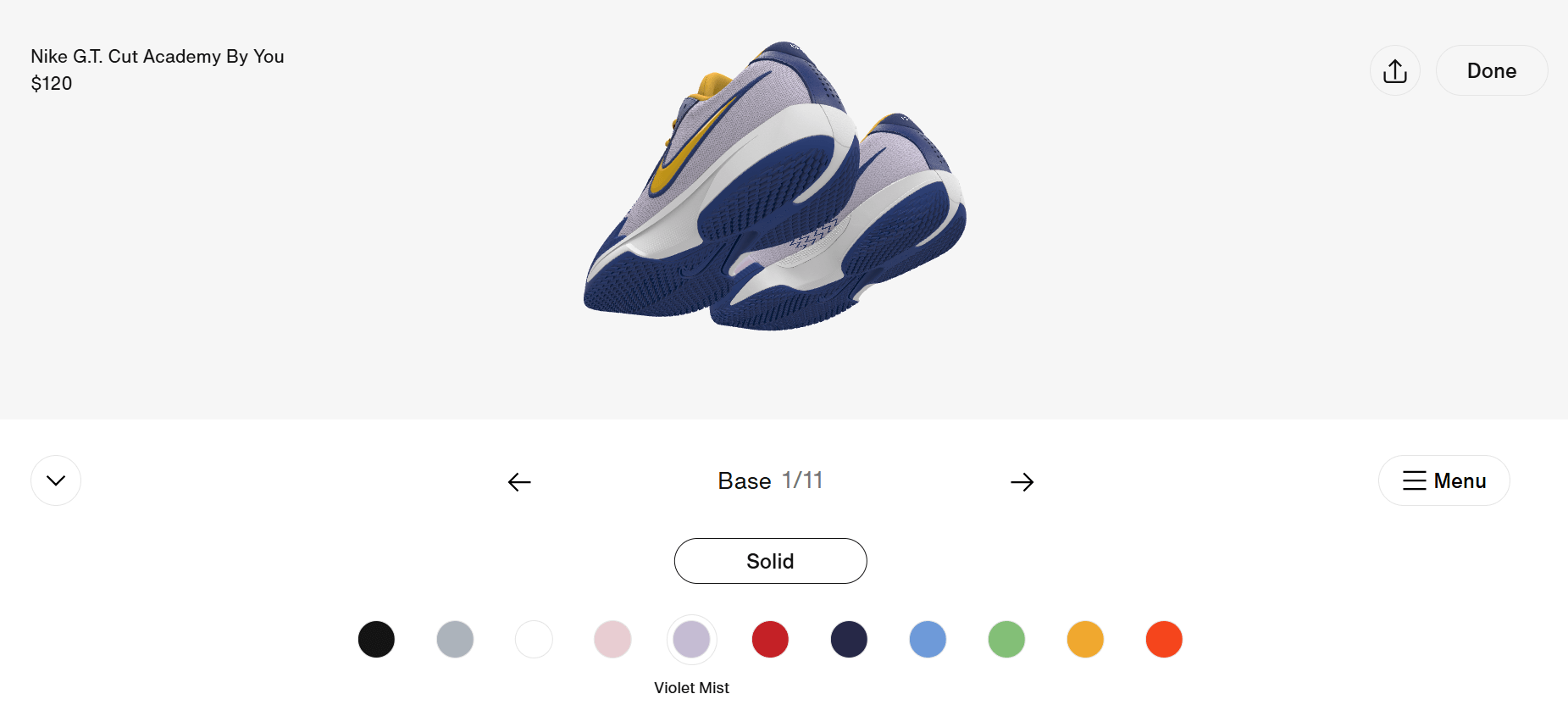
Static images aren’t always enough anymore, either. While they can help tell a story, videos that show movement and photos with 360° views and zoom capabilities are essential. Dynamic imagery can also add extra depth and engagement, helping buyers visualise themselves wearing the items to guide them towards purchase. Research has found that dynamic adverts can drive 27% more conversions than static adverts.
Brands are increasingly utilising dynamic imagery in their content, including Nike, which allows customers to experience 360° views of customisable trainers with Nike By You.
Short-form video
Many fashion brands increase engagement and reach with visual storytelling through TikTok, Instagram Reels, and YouTube Shorts. 15- to 30-second clips are ideal for product launches, storytelling, and sharing style tips to connect with audiences at different stages of their journey.
Short-form video on social channels offers a new outlet for increased reach through engaging, easily shareable content. Having full control over brand TikTok channels, for example, enables high-quality short-form video that can target various audience types and focus on specific fashion items.
Fashion brands can also turn to user-generated content (UGC) for short-form videos. Product reviews and style tips by real customers are priceless social proof that shows authenticity and builds credibility.
This also helps connect with a wider audience. Viewers see clothes in the real world on people who aren’t models, through content not produced by the brand. Your brand may have no control over UGC (aside from producing the product), but this authenticity can be a big selling point for consumers.
Creating fashion content for the AI era
Ai is everywhere in marketing. And fashion is no exception. The fashion industry is embracing AI too, as brands compete to create content that cuts through the noise. Automated recommendations, AI-powered trend analysis, and AI-generated product descriptions are all growing in use.
AI tools and LLMs also provide additional channels for potential customers to discover, explore, and purchase products.
Producing fashion content that performs and appears in AI search is important. Luckily, it follows much of the same advice as creating effective content for other industries, such as using our EEAT checklist for AI search.
Content quality
Creating quality content for your fashion brand is more important than ever in the age of AI. While AI can automate some elements, producing good quality, unique, human-centric content helps connect with real consumers and helps you stand out.
Fashion brands pride themselves on the high quality of clothing. So your content output must reflect this. Fantastic photography, words that tell an authentic story, and professional videography help build trust and pass on the quality of the fashion brand to the audience.
AI overviews, LLMs, and traditional search still prioritise high-quality content too. Clear structure, useful information, and content that answers queries and provides real value for fashion shoppers are all essential.
Readability and clarity
The average reading age for adults in the UK is between nine and 11 years old. Your fashion content needs to be easy to read and understand, especially as your customers may have varying levels of reading ability and comprehension.
Long, poetic, and creative product descriptions for the latest dress or jacket in stock might align with your fashion brand’s values and style guidelines. However, if potential customers can’t understand it or follow the flow, they may turn off and look elsewhere. Ensure clarity and use language that’s easy to understand, describing key features and reasons to buy in places where UX aids conversion. And save those dreamy descriptions for your longer-form content.
Clear messaging and structure improve user experience too. It can help chatbots understand and process information from product descriptions better, which enables them to provide useful, accurate guidance to your customers.
Shopability
Consumers want to find specific fashion items quickly and easily, along with all the relevant information (such as price, sizes, shipping, and returns). The clearer this is and the smoother the checkout process, the faster (and likelier) the conversions.
An ecommerce platform that enables product filtering by size, price, colour, and other aspects streamlines this process. Simplifying checkout settings, like cutting down on input fields and allowing guest checkout, helps minimise cart abandonment too.
Supporting AR/VR opportunities
The use of augmented reality (AR) and virtual reality (VR) try-on technology is quickly growing across the fashion industry. These technologies are changing the way consumers interact with fashion products and presenting many opportunities for brands to capitalise on hyper-personalisation to improve user experiences. Brands that ignore this emerging technology risk getting left behind.
Virtual Try-on
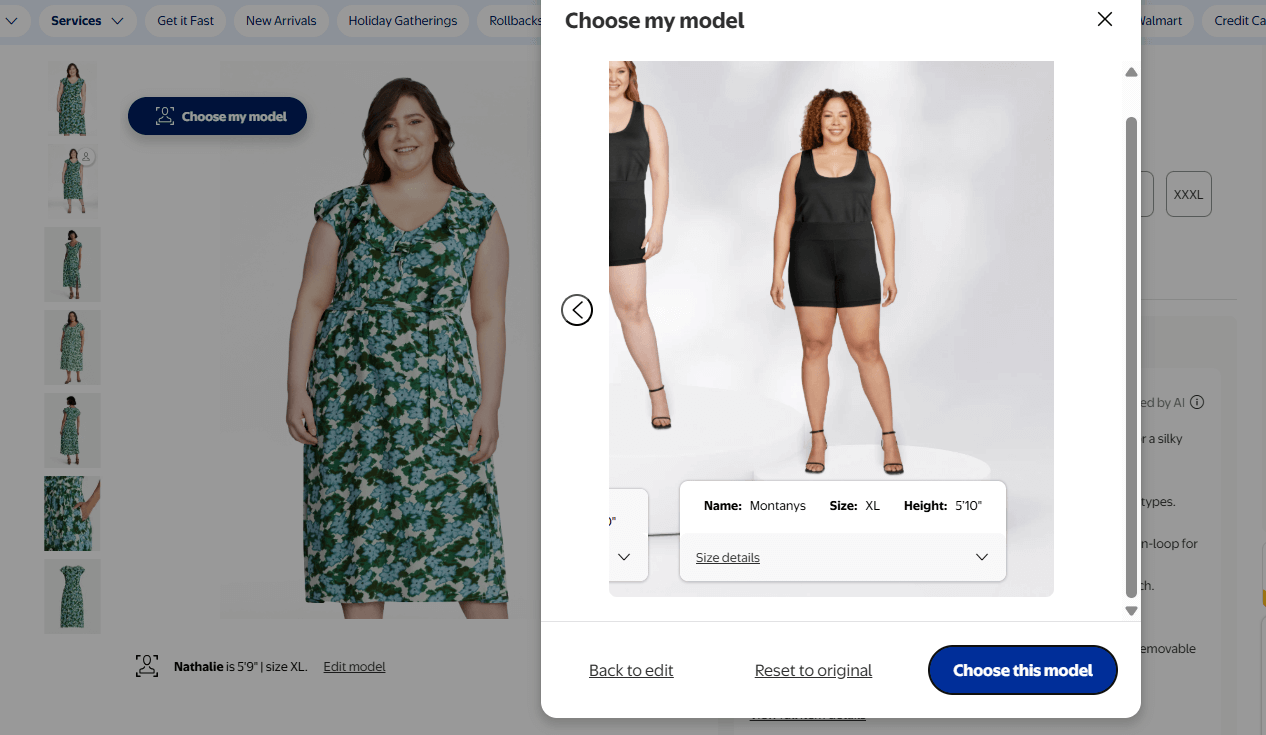
AR and VR technology are moving the in-store experience online, offering virtual try-on experiences that eliminate some of the traditional ecommerce problems. Shoppers can now use their live camera feed or upload a photo to superimpose fashion items in real-time and see how they fit. Many brands use this tech for clothes, accessories, and even makeup.
It makes the online shopping experience more interactive, offering benefits for both fashion brands and consumers. Virtual try-on:
- Eliminates guesswork with accurate impressions of sizes and fits
- Reduces return rates, including the costs and time involved for both parties
- Improves sustainability, with fewer returns and the associated carbon emissions from deliveries and collections
- Increases accessibility, with virtual try-on technology available 24/7
- Enhances customer engagement and interaction for better product experiences that boost brand loyalty.
Google Doppl
Google Doppl is an experimental virtual try-on app developed by Google Labs. Users upload a full-body photo and an image of an outfit, then the app uses generative AI and computer vision to create a short video showing how the clothes might fit and move.
The use of AR by fashion brands on ecommerce platforms lets users try on items from their collection virtually. Google Doppl enables virtual try-on with screenshots or images from sites such as Pinterest and Instagram, as well as online shops.
It adds movement to provide a more realistic impression of how clothing may look as you walk and turn. Find out more about using Google Doppl and why fashion brands should pay attention.
Creating a successful fashion content strategy
A successful content strategy for fashion brands is necessary to reach a wider audience, streamline customer journeys, and maintain brand loyalty. Quality content at every touchpoint, from the initial awareness to conversion, helps achieve this.
Capitalising on trends enables your brand to keep up and stay ahead of competitors. If potential and existing customers discover better quality content and experiences with other brands, you’re at risk of losing them.
Incorporating content into a wider SEO strategy aligns traditional search, AI, and modern fashion marketing trends.
Need help designing and implementing a future-focused content strategy for your fashion brand? Get in touch today and find out how we can help.


